02 — TRADITION AND RESEARCHFrom traditional use to modern investigation
Known as houtougu in China and yamabushitake in Japan, Lion's Mane has a long history as both food and an ingredient in medicinal cuisine across China, Korea, and Japan. Modern research approaches that tradition with new tools. Human studies remain relatively small, while clinical and laboratory investigations continue to examine cognition, mood, stress, and naturally occurring compounds such as hericenones and erinacines.
03 — NERVE GROWTH FACTOR
A mushroom that caught neuroscience's attention
One reason Lion's Mane has attracted scientific interest is its relationship with nerve growth factor (NGF), a protein involved in the growth, maintenance, and function of certain nerve cells.
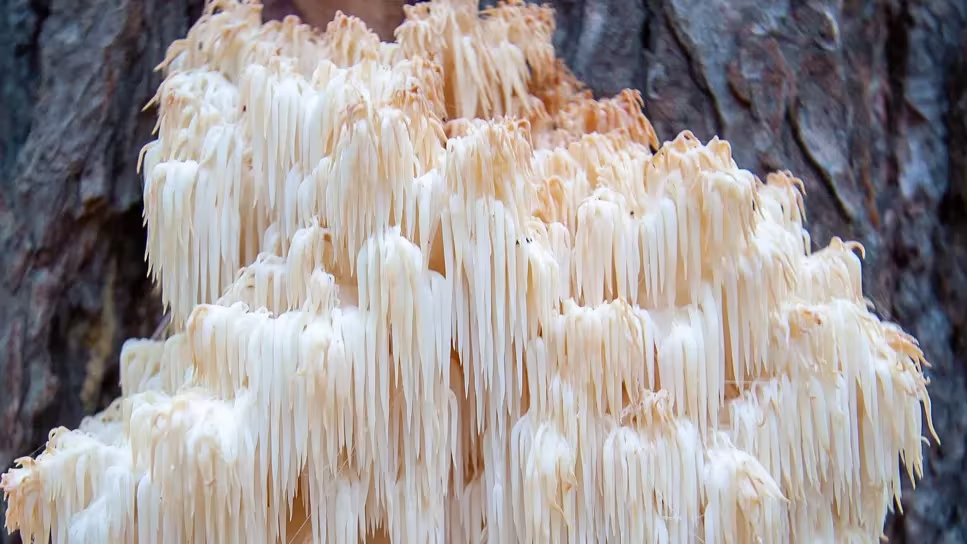
Laboratory research has identified compounds in Hericium erinaceus—including hericenones and erinacines—that may influence NGF-related pathways. These findings have helped drive interest in Lion's Mane and its potential role in supporting the nervous system.
Human research is still developing, so we distinguish between what has been demonstrated in laboratory and animal studies and what has been studied clinically in people.
A natural growing medium
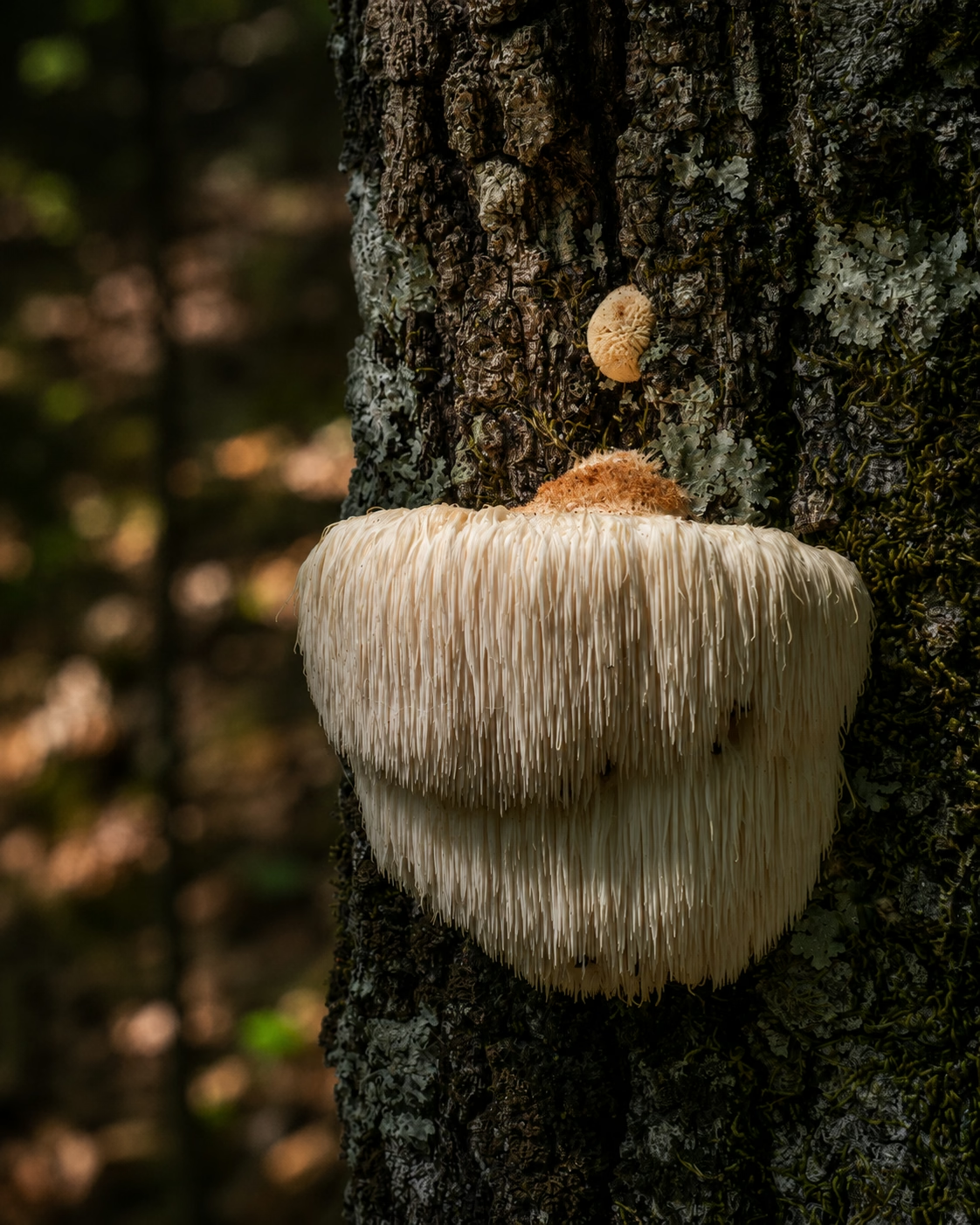
Lion's Mane naturally grows on wood, and scientific research has demonstrated its ability to grow on lignocellulosic materials including sawdust and agricultural byproducts. Our mushrooms are grown using reclaimed, upcycled wood waste shavings rather than relying on virgin materials.
05 — OUR STANDARDOne ingredient. Nothing unnecessary.
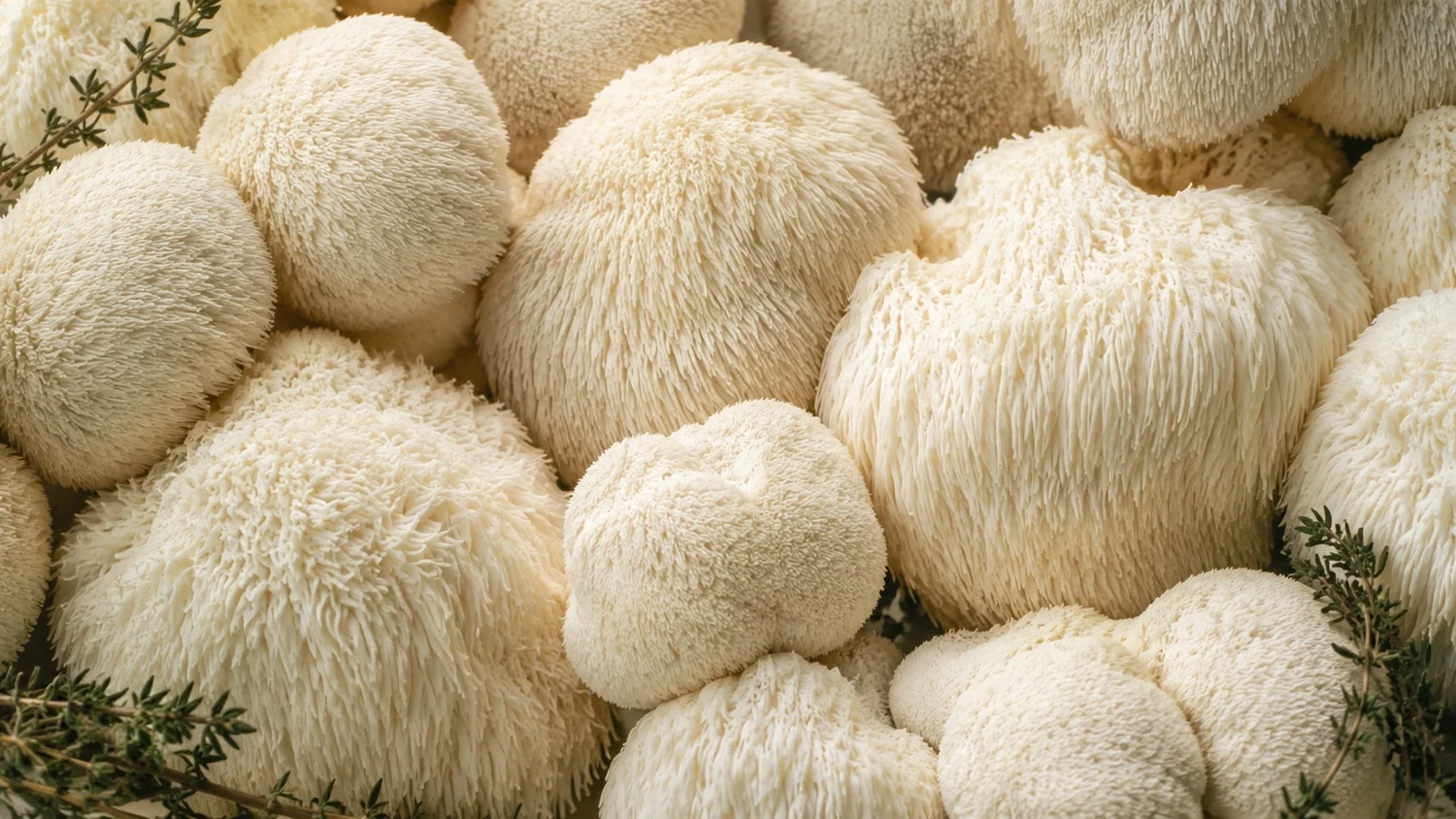
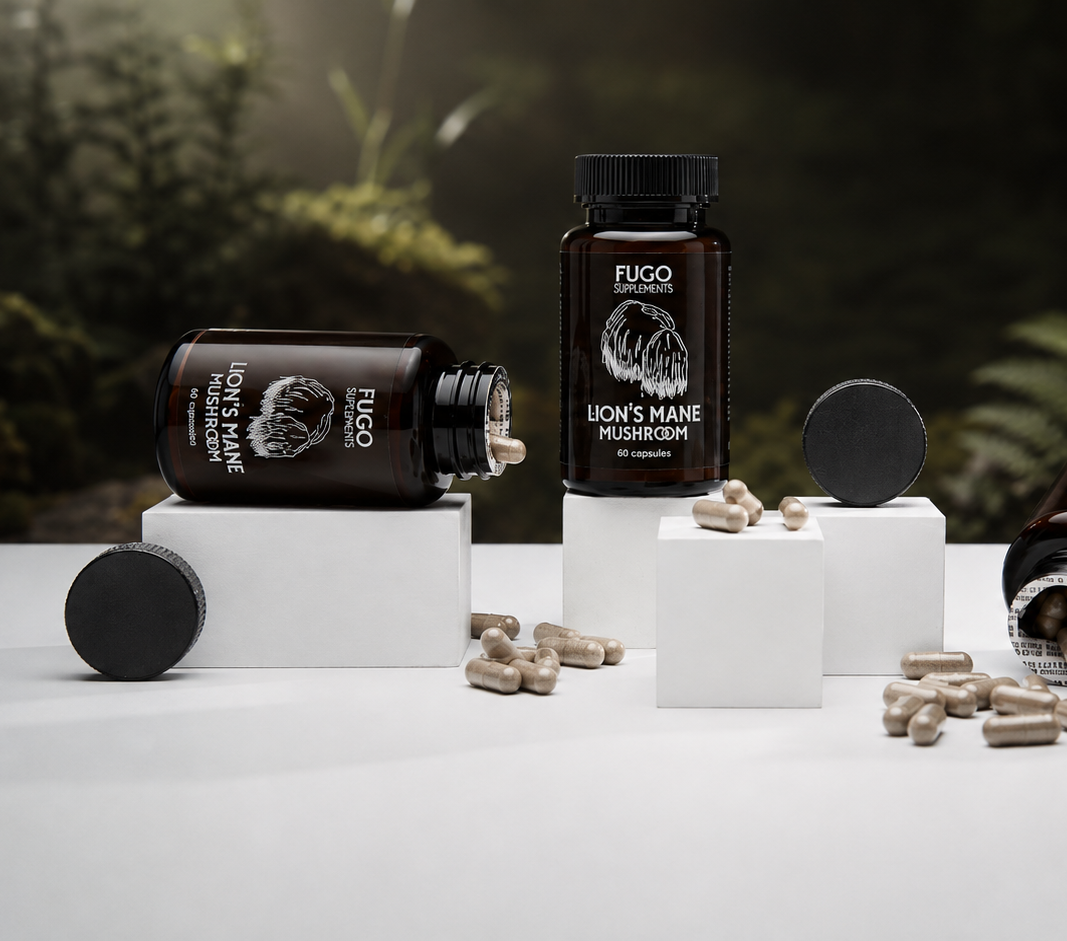
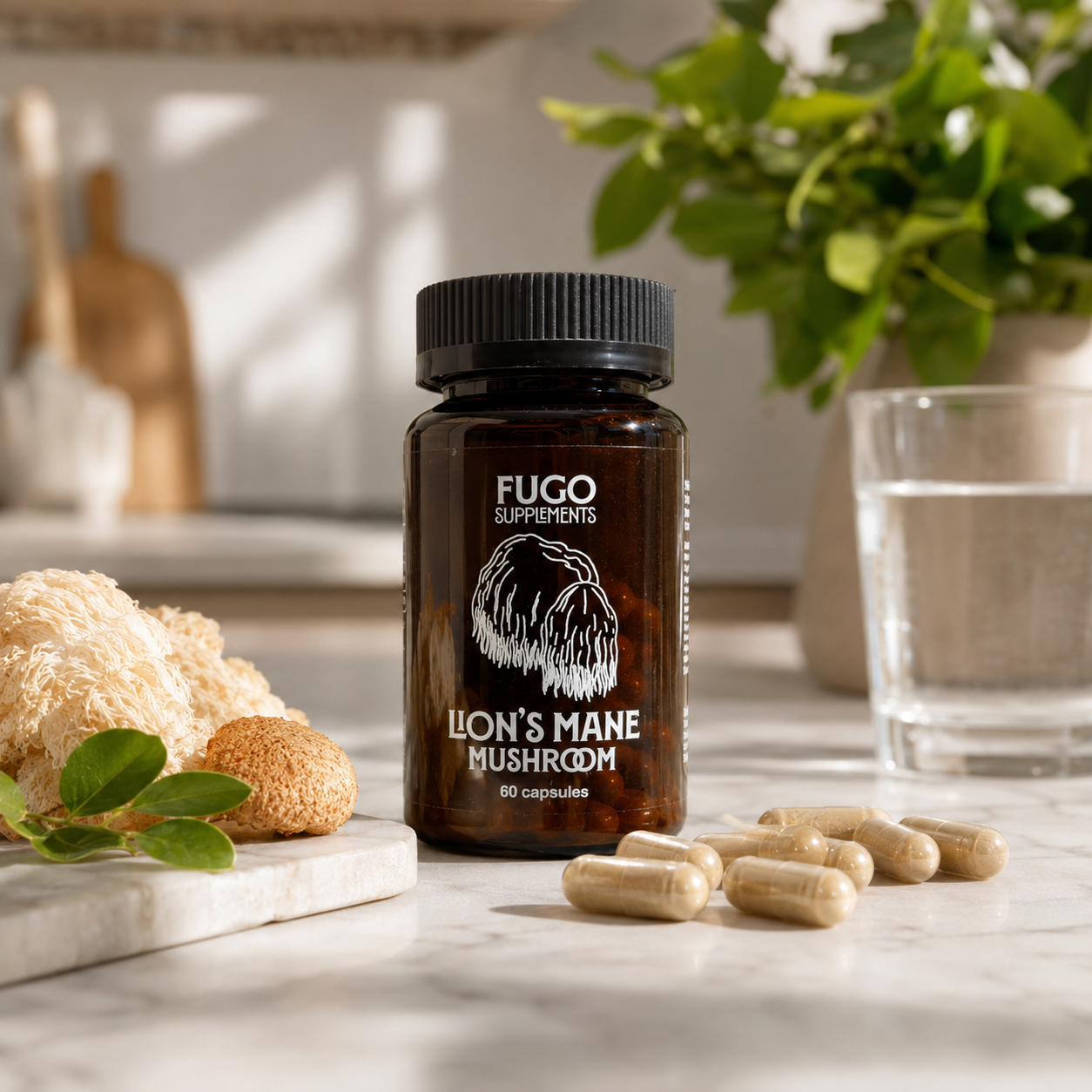
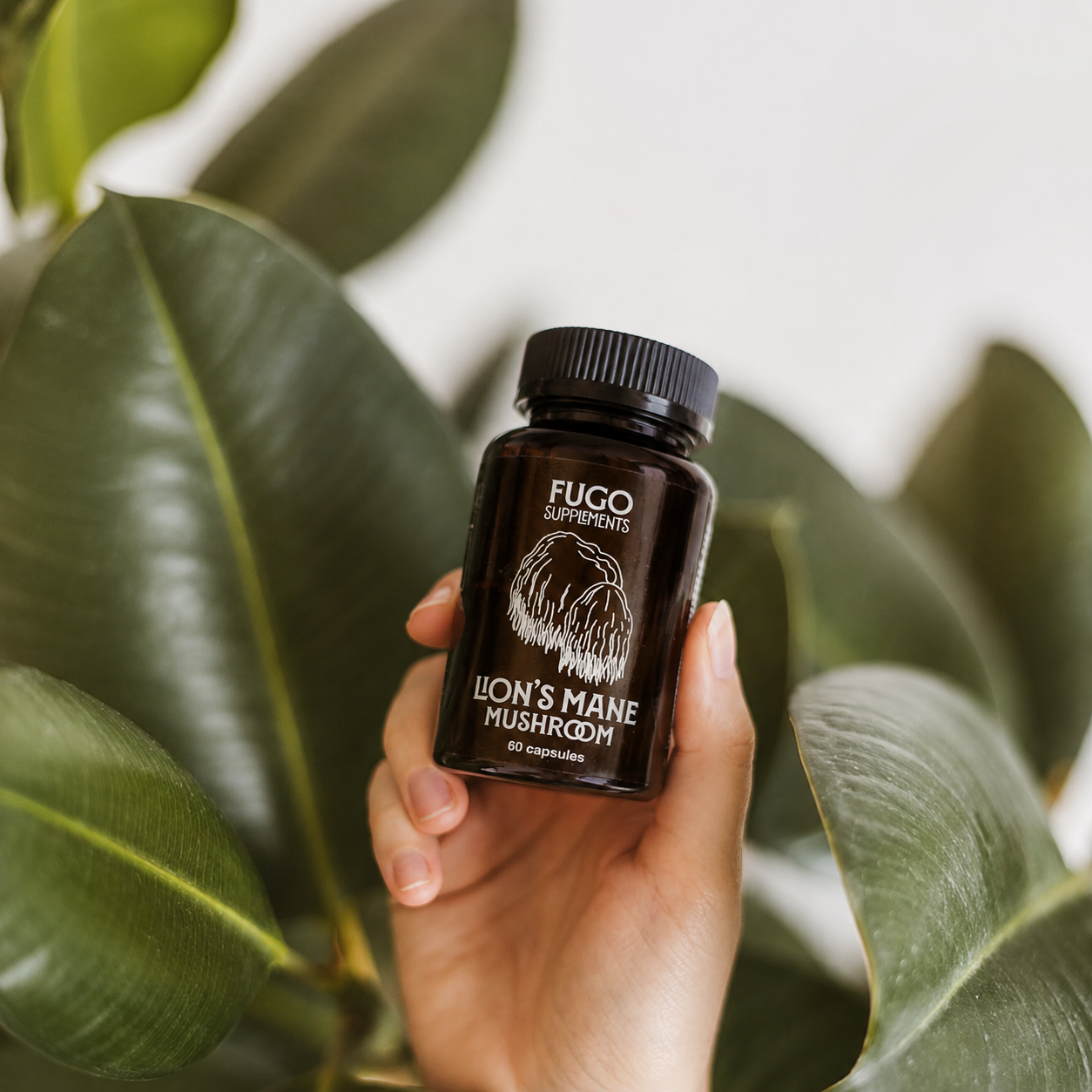
Organic Lion's Mane fruiting body. No unnecessary blends. No unnecessary ingredients. Just the mushroom, grown with care and produced with a focus on quality and consistency.